Effects of Smoking Tobacco in the Mouth
The Impact of Tobacco Use on Oral Health and the Role of Oral Healthcare Providers in Cessation Interventions
Tobacco use poses significant risks to general and oral health, making it a major global public health concern. The rise of novel tobacco and nicotine delivery systems further exacerbates this issue.
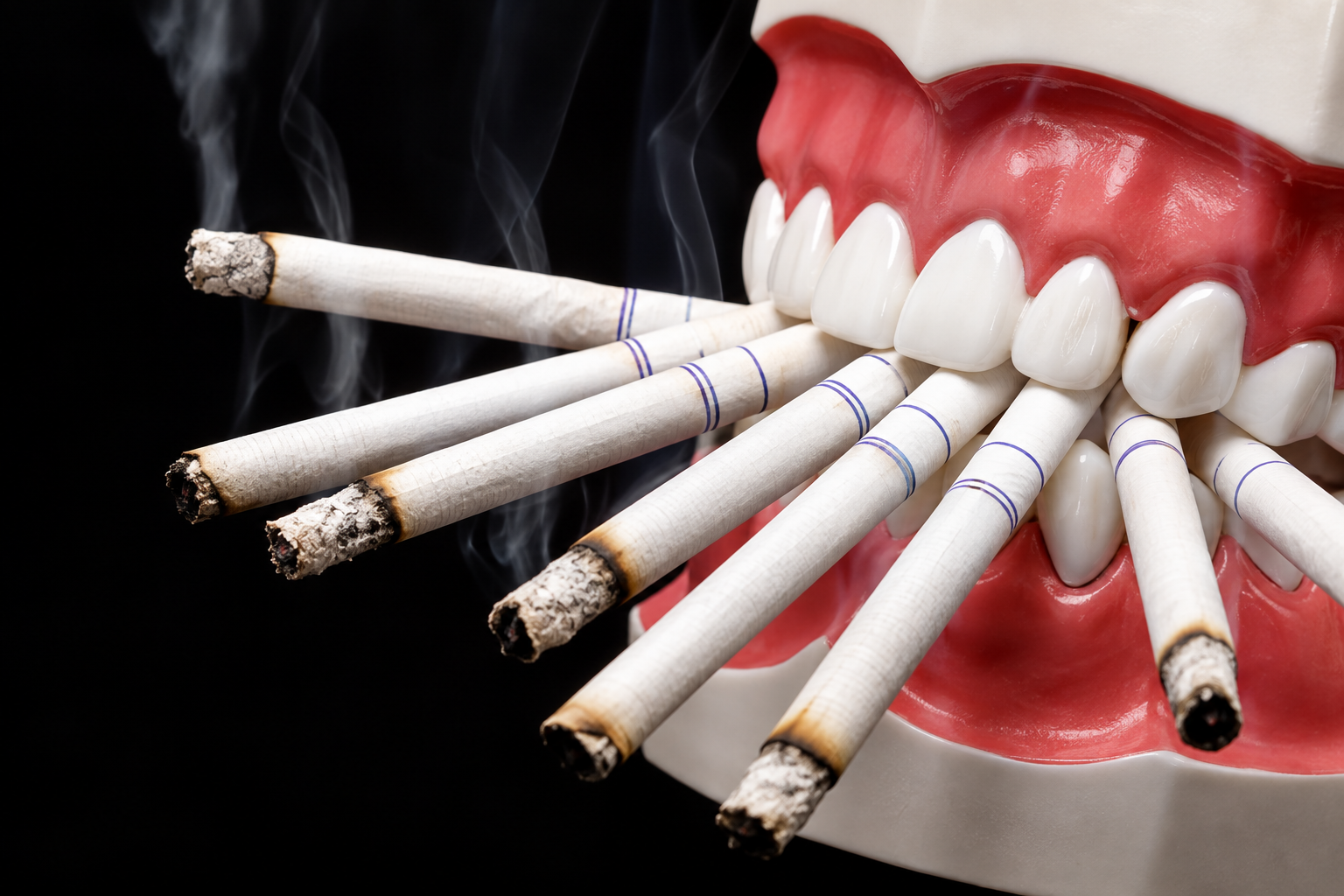
Tobacco consumption increases the likelihood of developing oral diseases, including oral cancer, oral mucosal lesions, periodontal disease and dental caries.
Dental clinics serve as an ideal setting for tobacco cessation interventions. However, many oral healthcare professionals lack sufficient training in tobacco prevention and cessation strategies.
Enhanced efforts are needed to integrate smoking cessation programmes into dental practice, incorporating brief educational, behavioural and pharmacological interventions.
This review examines the adverse effects of tobacco on oral health and highlights the critical role of oral healthcare providers in managing tobacco dependence.
Oral Health Risks of Combustible Tobacco Products
Combustible tobacco products significantly increase the risk of oral and systemic cancers.
Cigarette smoking is associated with malignancies of the oropharynx, larynx, trachea, bronchus, lung and other organs. Cigar use, even without inhalation, elevates the likelihood of mouth and throat cancers.
Long-term waterpipe—or hookah/shisha—consumption is also linked to oral and lip cancers (Akl et al., 2015).
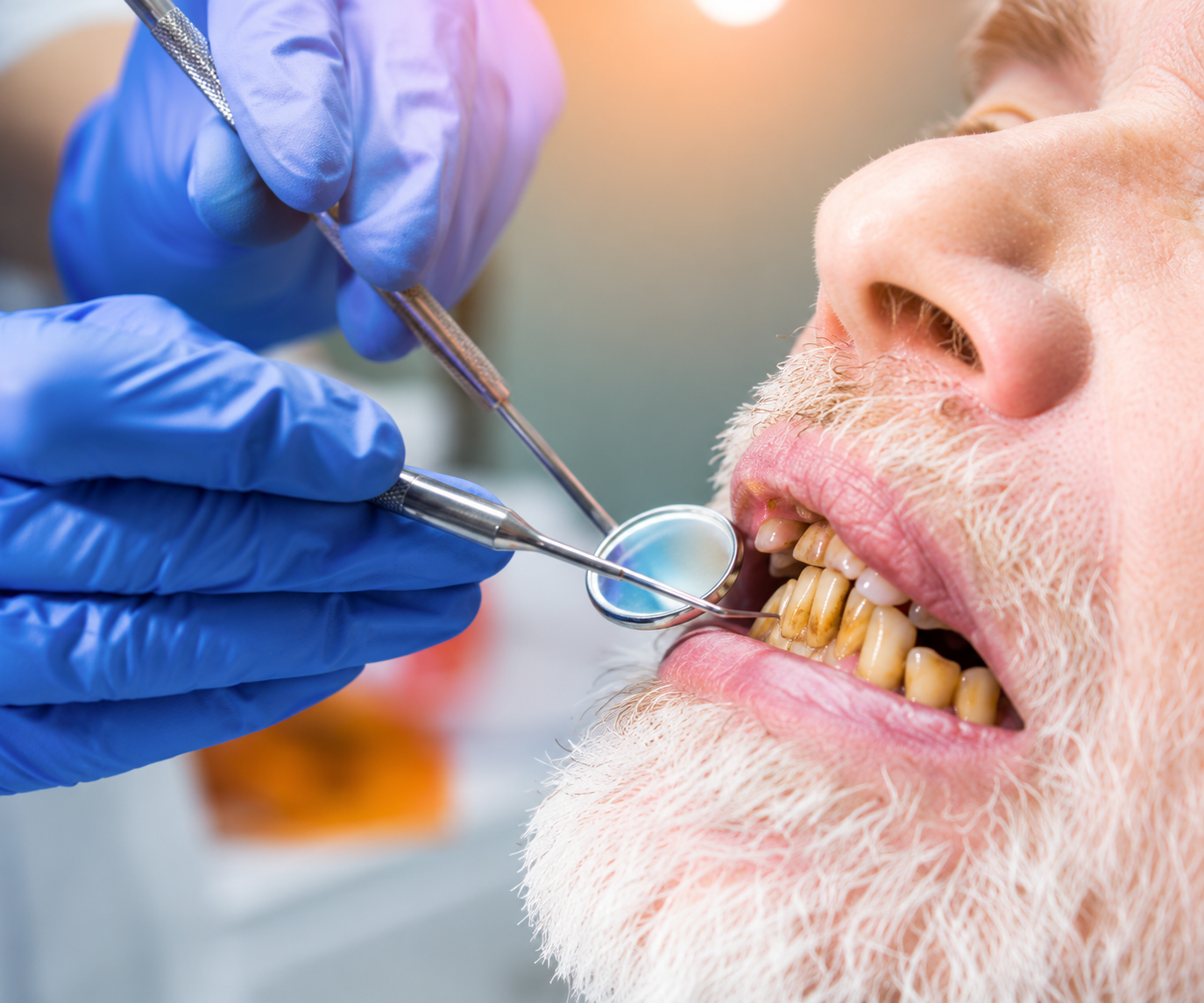
Additionally, smoking contributes to:
- Periodontal disease
- Tooth decay
- Dental staining
Potential Oral Health Effects of E-Cigarettes
Although e-cigarettes are marketed as a less harmful alternative for adult smokers, their long-term oral health effects remain under investigation.
Emerging evidence suggests that e-cigarette aerosols may adhere to oral tissues, promoting bacterial adhesion and increasing the risk of periodontal disease and dental caries.
Users frequently report:
- Oral dryness
- Irritation
- Bad breath
- Discomfort
While e-cigarettes may present a reduced-risk option for current smokers, they are not without harm, and cessation support should be tailored to individual needs.
Oral Health Consequences of Smokeless Tobacco
Smokeless tobacco products, including dip, snuff and chewing tobacco, substantially increase the risk of oral cancers, particularly in tissues exposed to tobacco.
Users often develop:
- Leukoplakia or white patches
- Erythroplakia or red patches
- Tooth staining
- Gingival inflammation
- Periodontitis
Leukoplakia and erythroplakia carry a high malignant potential. Cessation can lead to regression of precancerous lesions, underscoring the importance of provider-guided quitting strategies (Ebbert et al., 2015).
Tobacco use in any form poses severe risks to oral health, necessitating proactive intervention from dental professionals.
Strengthening tobacco cessation training for oral healthcare providers and integrating structured cessation programmes into dental practice are essential steps in mitigating this public health burden.
Assistance with Stopping Smoking
For assistance on how to stop smoking, visit these websites: