Chewing Bubblegum: A Dental Dilemma
Chewing Gum and Dental Health: Understanding the Benefits and Risks
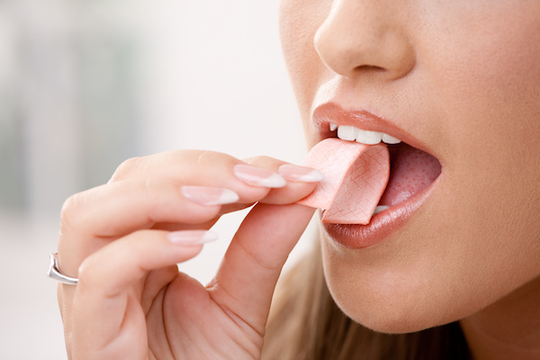
Chewing bubblegum is a habit enjoyed by both children and adults. For some, it’s a sweet treat, a stress reliever, or simply something to do. But from a dental perspective, is chewing gum helpful or harmful? The truth is, it depends on the type of gum and how often you chew it. Let’s explore the pros and cons so you can make the best choice for your oral health.

The Pros (When You Choose Sugar-Free)
If you stick to sugar-free gum, chewing it after meals and snacks can have several dental benefits:
-
Boosts saliva flow.
-
Chewing increases saliva production by up to ten times, which is one of the biggest advantages. Saliva is your mouth’s natural defence system. It:
-
Neutralises acids: Plaque bacteria release acids after you eat, which attack your enamel and cause cavities. Saliva helps neutralise and wash these acids away.
-
Strengthens enamel: Saliva carries calcium and phosphate, minerals that rebuild (remineralise) enamel during early stages of tooth decay.
-
Cleans debris: Extra saliva helps rinse away leftover food particles that bacteria thrive on.
-
-
Freshens breath.
-
Sugar-free gum often contains mint flavours that can mask bad breath. More importantly, by reducing dry mouth and rinsing bacteria, it addresses one of the causes of odour.
-
Relieves dry mouth.
-
For people with xerostomia (dry mouth), chewing sugar-free gum provides welcome relief and helps maintain comfort.
-
May help with cravings.
-
A piece of sugar-free gum can satisfy a sweet tooth without exposing your teeth to sugar, which may also support weight control.
The Cons (When You Make the Wrong Choice)
-
Sugary Gum = Acid Attack: Gum with sugar feeds bacteria in plaque, producing acids that linger on your teeth for up to 20 minutes after chewing. Frequent chewing of sugary gum greatly increases the risk of decay and cavities.
-
Jaw and TMJ Strain: Excessive chewing can overwork the temporomandibular joints (TMJ) and jaw muscles, leading to pain, headaches, or worsening existing TMJ disorders.
-
Damage to Dental Work: Sticky gum can loosen crowns, dislodge fillings, and get caught in orthodontic appliances like braces and retainers.
-
Digestive Upset: Chewing gum may cause some people to swallow excess air, leading to bloating. In large amounts, artificial sweeteners like sorbitol can also have a laxative effect.
The Verdict: Chew Smart
Chewing gum doesn’t have to be a dental dilemma. With the right choices, it can be a useful addition to your oral care routine:
-
Always choose sugar-free gum, preferably with xylitol, which reduces cavity-causing bacteria.
-
Chew in moderation, 10 – 20 minutes after meals is enough.
-
Don’t replace brushing or flossing with gum. Keep brushing twice daily with fluoride toothpaste and flossing once a day.
-
Pay attention to jaw comfort – if you notice pain, take a break.
-
Consult your dentist if you have dental work or TMJ issues before making gum chewing a daily habit.