Beyond the Smile: How Dentists Can Recognise Signs of Abuse
Understanding the 16 Days of Activism
The 16 Days of Activism Against Gender-Based Violence is a global campaign that calls on all of us to take action against violence in our homes, communities, and workplaces. What many people don’t realize is that oral health professionals, your dentists, dental specialists and dental hygienists, also play a powerful role in this effort. Because many cases of physical abuse involve injuries to the head, face, and mouth, a dental visit can sometimes be the first step toward help and safety.
What Your Dentist Might Notice
Dentists are trained not only to care for your teeth and gums, but also to recognize signs that something deeper may be happening.
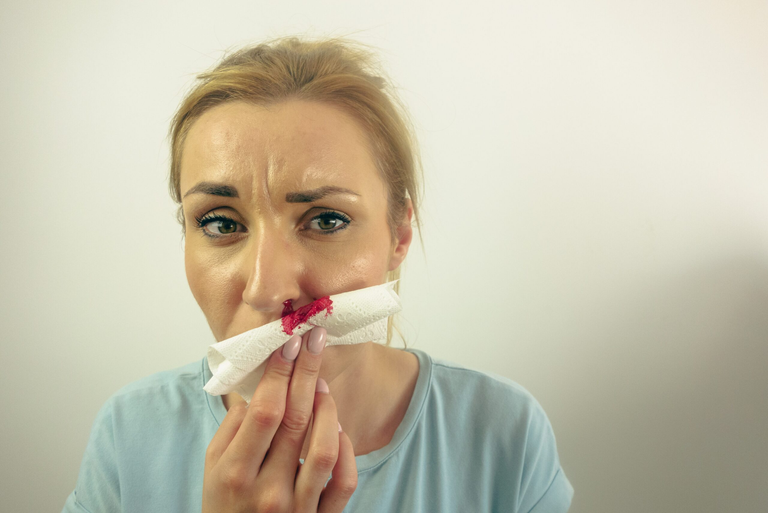
During a routine check-up, your dentist may see signs that suggest possible physical harm or emotional stress, such as:
Unexplained injuries – bruises, cuts, or burns around the lips, gums, cheeks, or tongue.
Repeated injuries – frequent dental trauma or broken teeth that seem to occur often.
Signs of stress – jaw pain, teeth grinding (bruxism), or tension-related headaches.
While many of these conditions can have other causes, dentists are taught to notice patterns and offer care in a private, respectful way.
The Role of the Dental Professional in a Multidisciplinary Response
How Your Dentist Can Support You
If your dentist suspects that you might be in an unsafe situation, their goal is not to accuse or confront – but to listen, support, and connect you to help.
Here’s How They Can Assist:
Provide a safe space – Your dental visit is private, giving you an opportunity to talk openly and in confidence.
Listen with care – Dentists may ask gentle questions like, “Can you tell me how this happened?” You always decide what you wish to share.
Offer information – Dentists can discreetly share contact details for support services such as local shelters, counseling centers, and crisis hotlines.
Keep records (if you choose) – With your consent, your dentist can document visible injuries confidentially, which might help if you ever choose to seek legal or medical support later.
Refer you for further help – They can also connect you to trusted healthcare professionals for emotional or physical support.
Why This Matters
Oral health professionals are an important part of the healthcare team working to end gender-based violence. By recognizing signs early and offering support, they help ensure that no injury, fear, or cry for help goes unnoticed.
You Are Not Alone
If you or someone you know is experiencing gender-based violence, help is available.
Gender-Based Violence Command Centre (GBVCC): 0800 428 428.
SMS “Help” to: 31531.
Skype Line (for people with disabilities): “Helpme GBV”.
Conclusion
Your oral health provider cares about your wellbeing—not just your smile, but your safety, dignity, and peace of mind.
Together, we can break the silence and take a stand against gender-based violence.
If you or someone you know is experiencing gender-based violence, help is available.
Gender-Based Violence Command Centre (GBVCC): 0800 428 428.
SMS “Help” to: 31531.
Skype Line (for people with disabilities): “Helpme GBV”.
Please call me :1207867#.