Effects of Osteoporosis in Dental Treatment
Osteoporosis in Dental Treatment
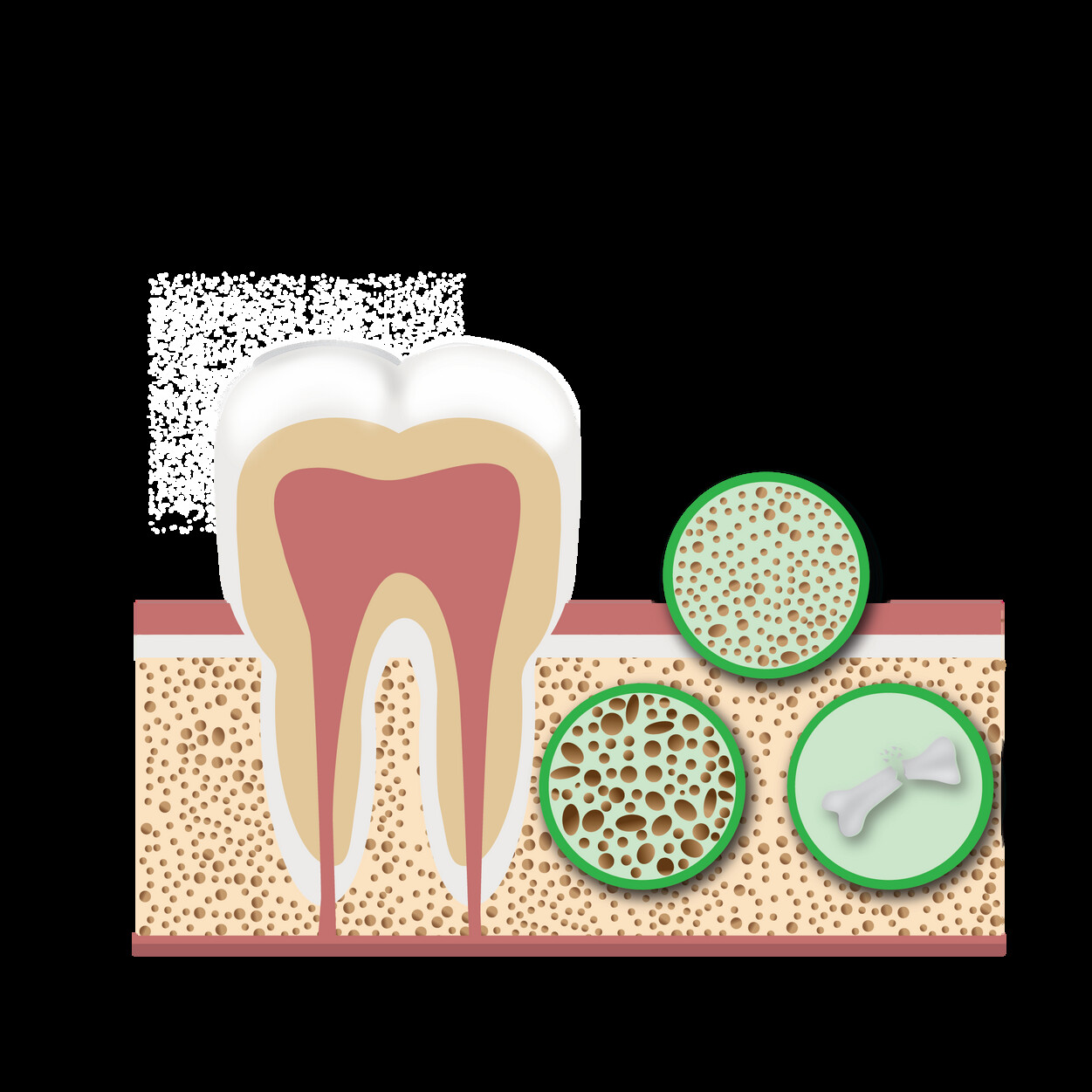
Osteoporosis is a condition characterised by the progressive loss of bone density, making bones brittle and fragile. It is considered an insidious disorder.
Insidious disorders are diseases or conditions that develop gradually and without obvious symptoms during the early stages. Osteoporosis is therefore often overlooked until a severe fracture occurs.
The condition dramatically increases the risk of broken bones, even after minor trauma. Common fracture sites include the spine, hips and wrists.
Recognising Osteoporosis
Recognising the indicators of osteoporosis is critical for effective management.
Unfortunately, many individuals do not show noticeable symptoms until a fracture has occurred. Some may experience a reduction in height or develop a stooped posture, both of which indicate spinal bone deterioration.
Osteoporosis and Oral Health
The connection between osteoporosis and oral health is more significant than is often realised.
The same bone loss and weakening that affect the hips and spine can also affect the jawbone. A compromised jawbone may lead to various dental problems, including an increased risk of tooth loss.
Jawbone health is important for maintaining tooth stability. A decline in jawbone density reduces its ability to support the teeth.
Osteoporosis can also worsen periodontal disease, leading to:
- Tooth loss
- Increased inflammation
- Receding gums
Osteoporosis and Dental Implants
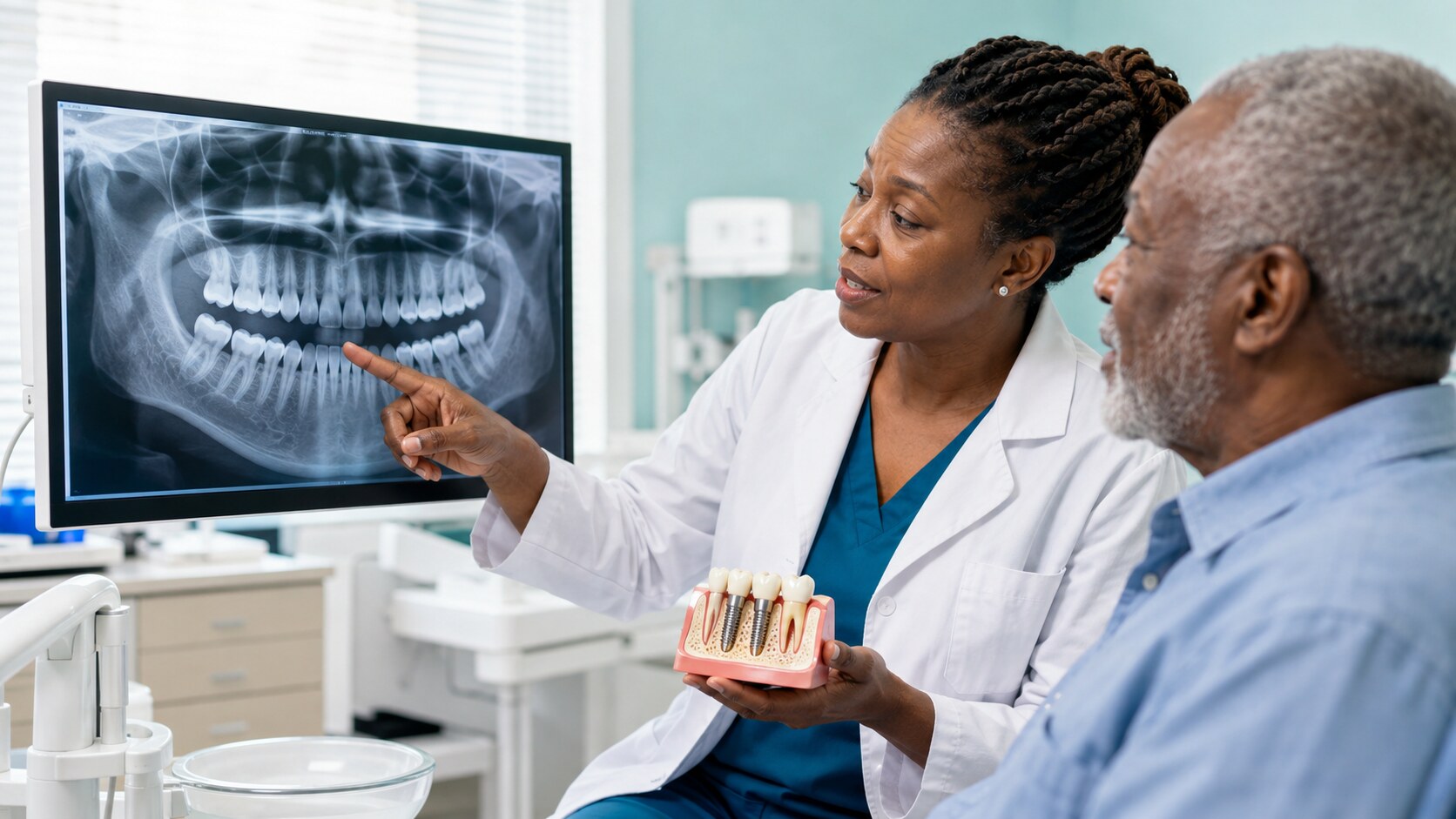
Osteoporosis negatively affects the administration of sophisticated dental procedures such as dental implants.
Dental implants require a robust jawbone to be successful. In severe cases of osteoporosis, the weakened jawbone may be unable to support dental implants, creating a challenge for patients and dental specialists.
Osteoporosis also reduces bone-healing capacity. The healing process following extractions or other oral procedures may therefore be affected.
Oral Symptoms of Advanced Osteoporosis
Symptoms associated with advanced osteoporosis in the oral cavity include:
- Loose teeth without an apparent dental cause
- Receding or weakened gums
- Pain, swelling or infection in the gums or jaw
- Numbness or heaviness in the jaw
- Exposed bone
Diagnosis and Management
Bone-density scans are invaluable for diagnosing osteoporosis and monitoring changes in bone density over time. This allows for timely intervention.
Regular check-ups combined with lifestyle changes can significantly assist in managing and potentially preventing osteoporosis. These changes include:
- Eating a diet rich in calcium and vitamin D
- Exercising consistently
A comprehensive approach to treating osteoporosis should incorporate both bone-health and oral-health strategies, helping patients maintain a healthy lifestyle and oral cavity.