Benefits of Saliva
Benefits of Saliva
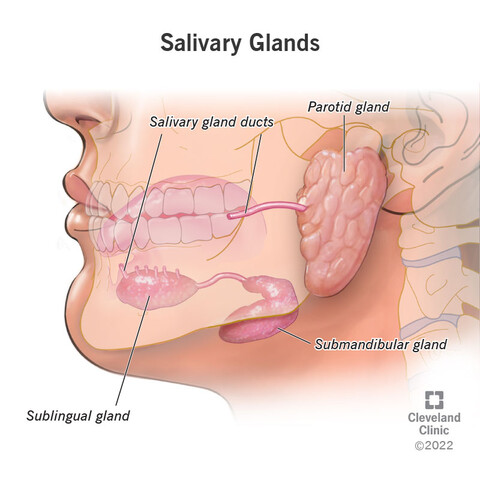
Saliva is produced by three pairs of main salivary glands, as well as hundreds of smaller glands that surround the mouth to keep it moist.
The parotid glands, located inside the cheeks, the sublingual glands, located under the mouth, and the submandibular glands produce most of the saliva. It is conveyed through the salivary ducts to the mouth.
What Saliva Contains
Saliva contains vital components that the body requires to digest meals and maintain tooth strength.
It is an essential component of a healthy organism and forms a thin layer that protects teeth from germs while also killing disease-causing microorganisms.
Saliva contains small amounts of essential chemicals, including:
- Mucus
- Proteins
- Minerals
- Electrolytes
- Antibiotic agents
- Enzymes
The Benefits of Saliva
Saliva provides comfort by moistening the mouth, lubricating it when chewing and swallowing, and neutralising toxic acids.
It also:
- Eliminates bacteria
- Prevents bad breath
- Preserves enamel
- Promotes wound healing
Saliva and Tooth Enamel
When a cariogenic diet containing sugary and starchy foods damages enamel, saliva restores the tooth’s protective surface through a process known as remineralisation.
Saliva contains calcium, phosphorus, fluoride and other minerals that help tooth enamel surfaces remain healthy, robust and cavity-free.
Saliva and Digestion
Saliva assists digestion through the activity of an enzyme called amylase.
Digestion begins in the mouth, where amylase breaks down starch, maltose and dextrose into smaller molecules.
Saliva also makes food wet, making it easier to swallow.
Dry Mouth
Certain conditions and medications might influence how much saliva is produced. If insufficient saliva is produced, the mouth becomes dry. This symptom is known as dry mouth, or xerostomia.
A dry mouth makes the gums, tongue and other oral tissues swell and feel painful. It can also produce a bad mouth smell.
Germs thrive in this type of environment. Having a dry mouth also increases the risk of developing tooth decay and gum disease.
Saliva lubricates the teeth and helps remove food particles. This function lowers a person’s risk of dental cavities.
Other causes of xerostomia include:
- Poor nutrition
- Salivary duct obstruction
- Chemotherapy
- Radiation therapy
- Dehydration